Thousands of Frog Bones Near Cambridge Were Owl Leftovers, Not a Feast
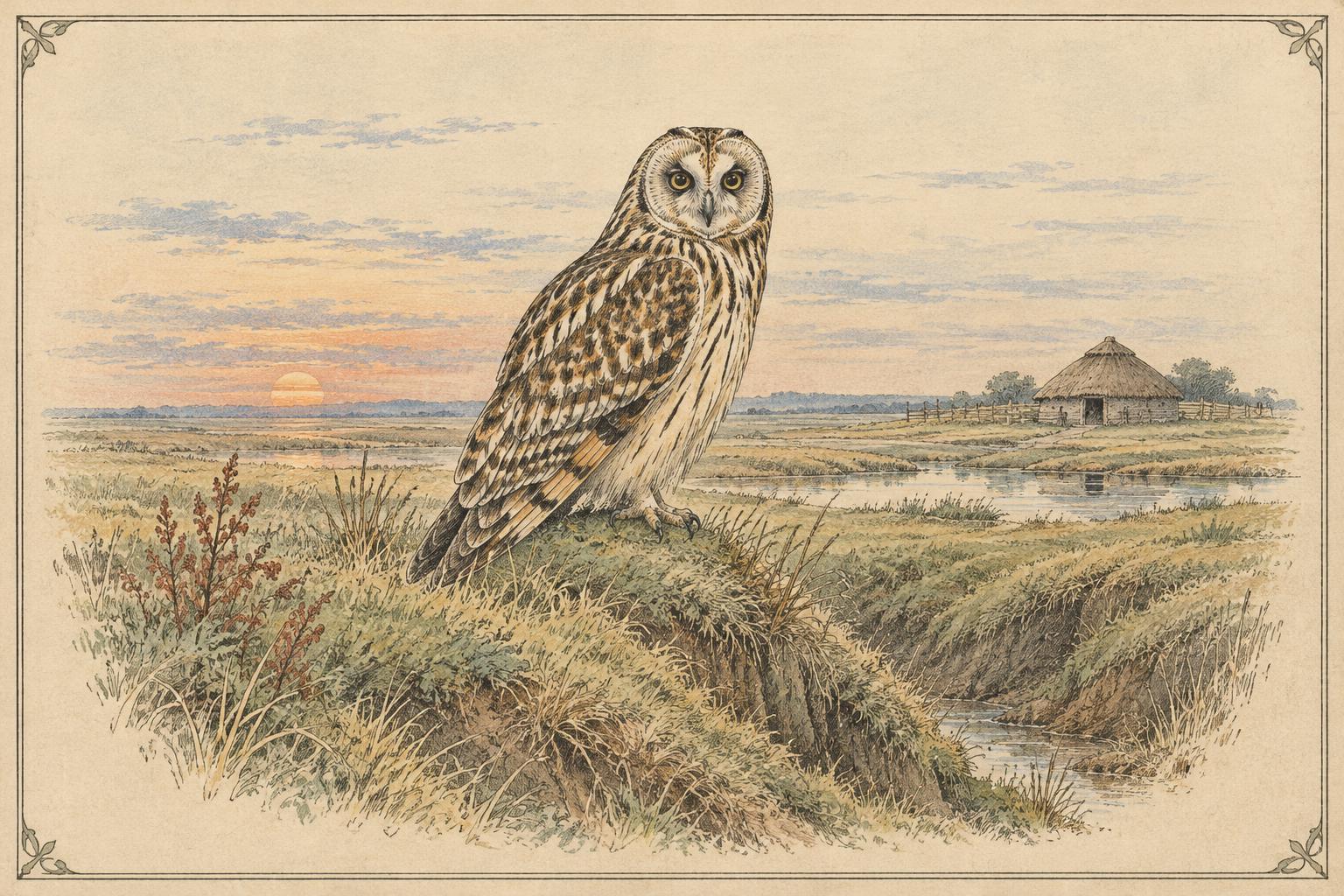
A gully near Cambridge packed with thousands of frog bones was not the scene of a Roman frog feast or a ritual. Owls left the remains. That is the finding of a new study in Environmental Archaeology, led by Paul Clarkson of Bournemouth University.
Excavators found the gully ahead of the A14 Cambridge to Huntingdon road scheme, on the edge of the Fens. People dug the shallow ditch, about 20 meters long, in the Middle to Late Iron Age. It was first mistaken for a roundhouse, and its purpose is still unknown. Inside lay small bones, mostly common frog, with voles, shrews and snakes. Phys.org gives the count as 9,135 bones, while Archaeology Magazine reports more than 8,000. Phys.org dates the deposit to around 1,800 years ago. Archaeology Magazine says radiocarbon dating gave about 1,700 years.
The team examined more than 1,700 remains. None showed burning, butchery or chew marks, so a human meal looked unlikely. The gully was also too shallow to have trapped the frogs by accident. Nearly 86% of the frog bones showed signs of digestion. Clarkson warned that these marks must be told apart from damage by roots and soil.
The degree of breakage narrowed the culprit. "The bones in this gully were digested and broken enough to rule out barn owls," Clarkson said, according to Phys.org. They were not damaged enough to suggest otters, snakes or herons. The study points to short-eared owls, and Archaeology Magazine adds hen harriers. Measurements of the frogs' arm bones showed that many animals were under a year old.
The landscape explains the boom. Farmers had cleared woodland and grazing animals kept the ground open, which gave grassland hunters a clear view. Falling water levels left pools and puddles where common frogs bred. The next year the floodwater withdrew further down the valley and took the frogs with it. The study sees the deposit as the product of one winter.
The owls also say something about people. Short-eared owls are shy and avoid places that people and dogs visit often. Their roosting here suggests this part of the settlement was left quiet, perhaps because it was a summer livestock route or had some social or ritual meaning.
The case shows how a dense heap of bones can invite a ritual reading when the cause was natural. Clarkson urges excavators to sample for small animals, which can record environments that pots and coins do not. As he put it, "The mystery of these frogs has been solved," per Archaeology Magazine.
Compiled from the reports below. Read the originals.
Sources
- November 11, 2026
- November 11, 2026Archaeology Magazine1,700-Year-Old Frog Bones Were Dropped by Birds of Prey