Articles
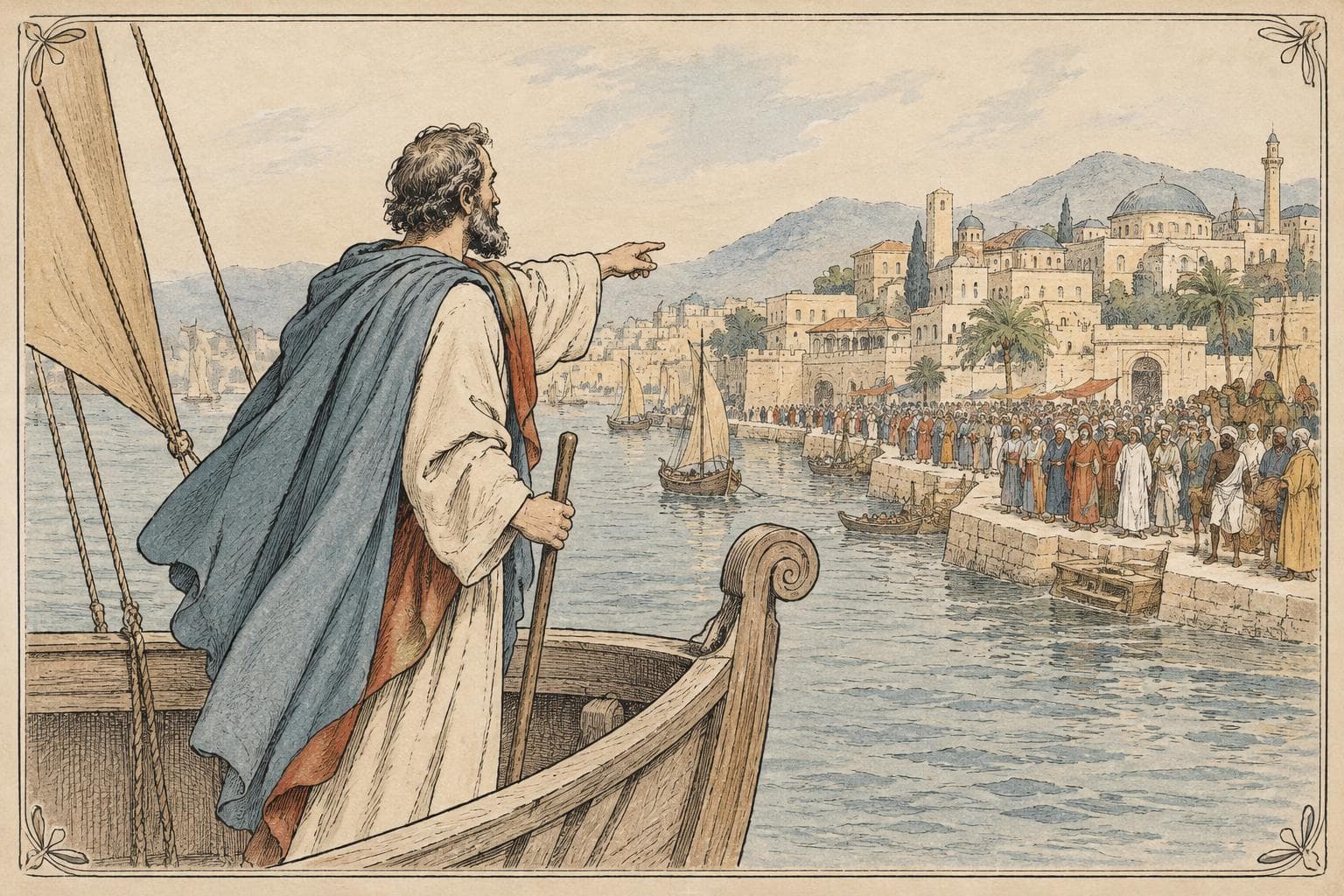
Isaiah 52:15 and Paul's Mission: What the Nations Will See
Isaiah 52:15 meaning explored: how a disputed Hebrew verb and priestly sprinkling language became Paul's scriptural charter for unreached peoples.
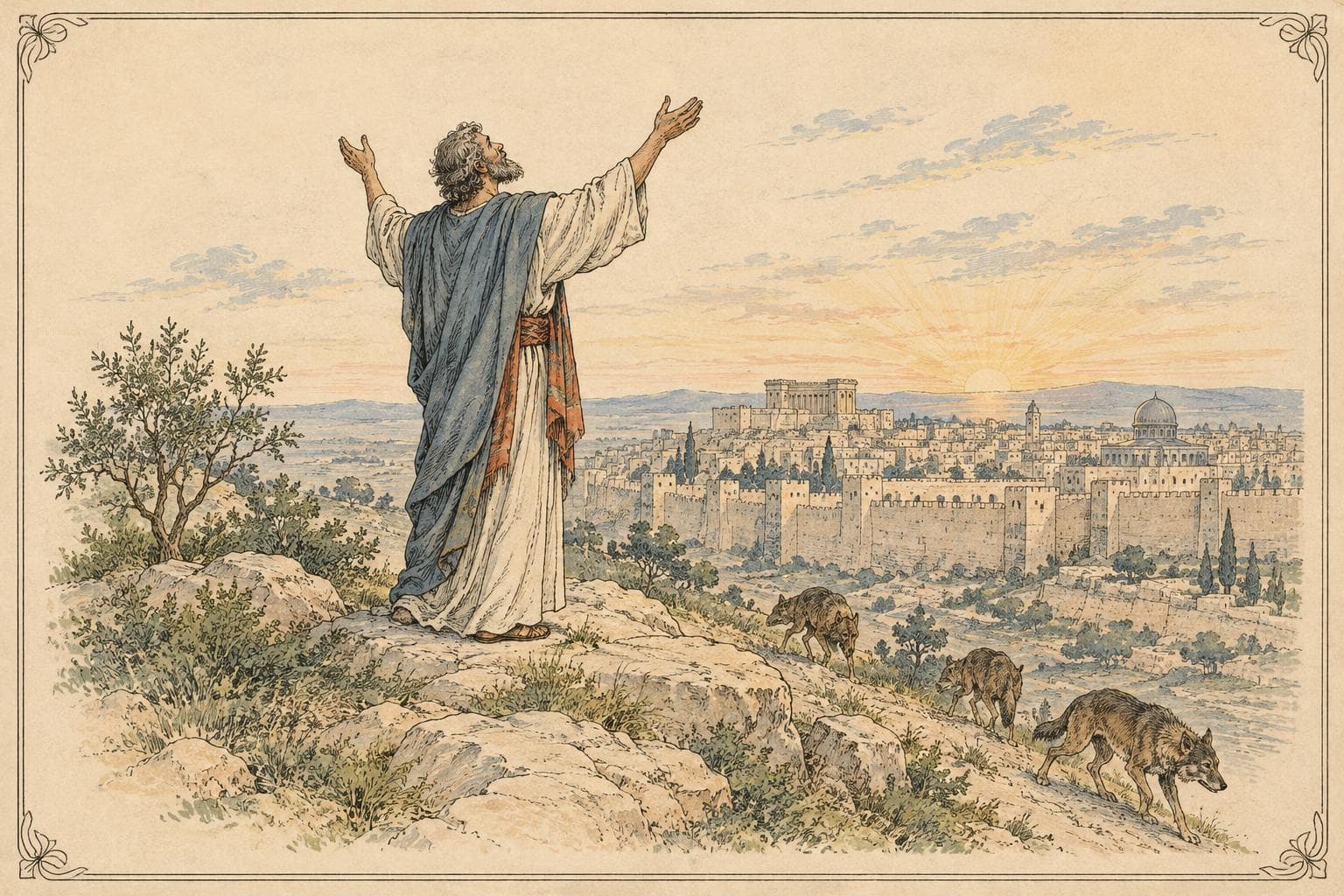
Psalm 22: From Abandonment to Vindication
Explore Psalm 22 meaning for Jesus's crucifixion, from the cry of abandonment to resurrection vindication, and why lament is legitimate prayer.
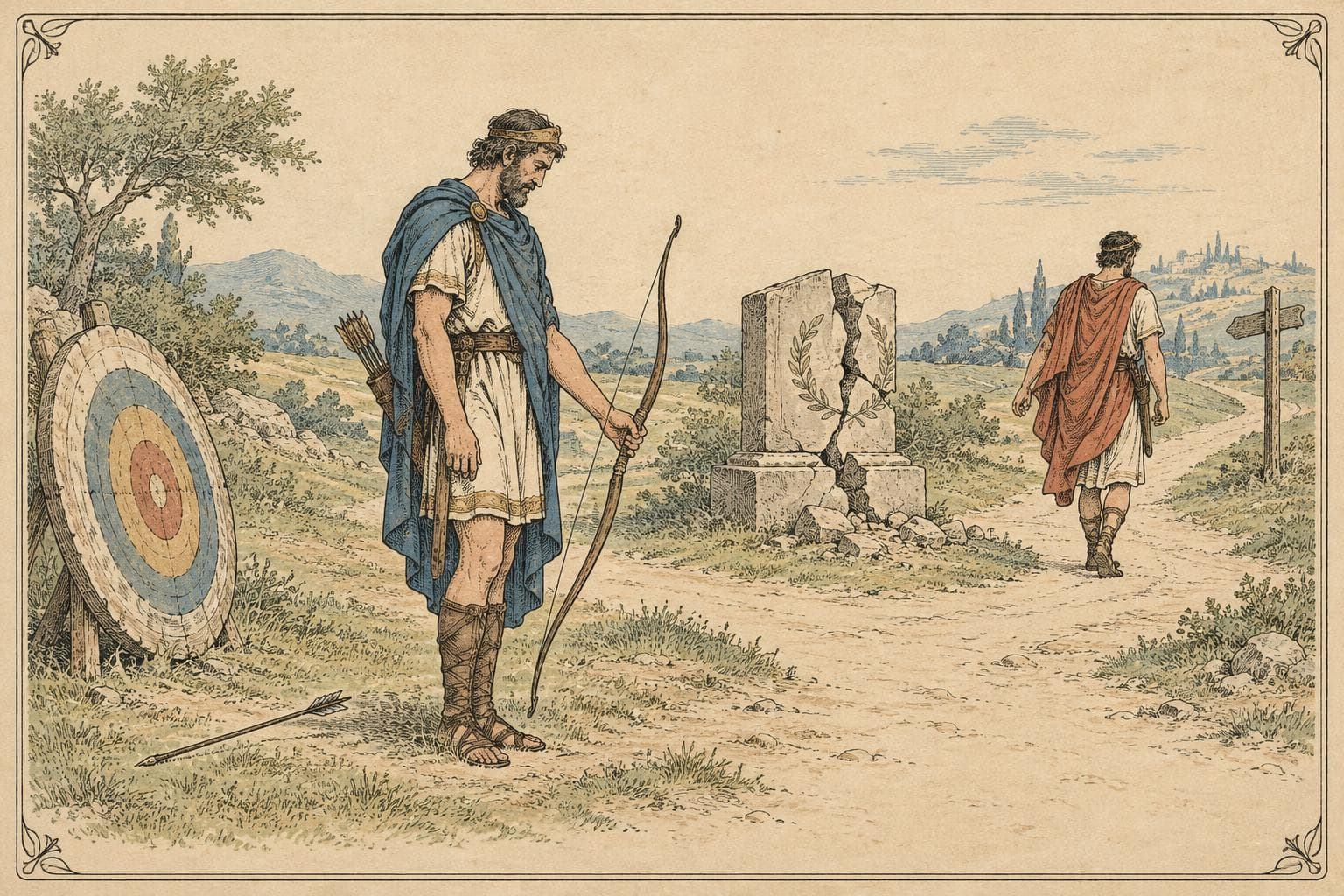
What Sin Means: Hebrew and Greek Reveal More Than "Missing the Mark"
What is sin in the Bible? Trace chata, pesha, awon, and hamartia to find the biblical definition of sin as missed purpose and broken loyalty.
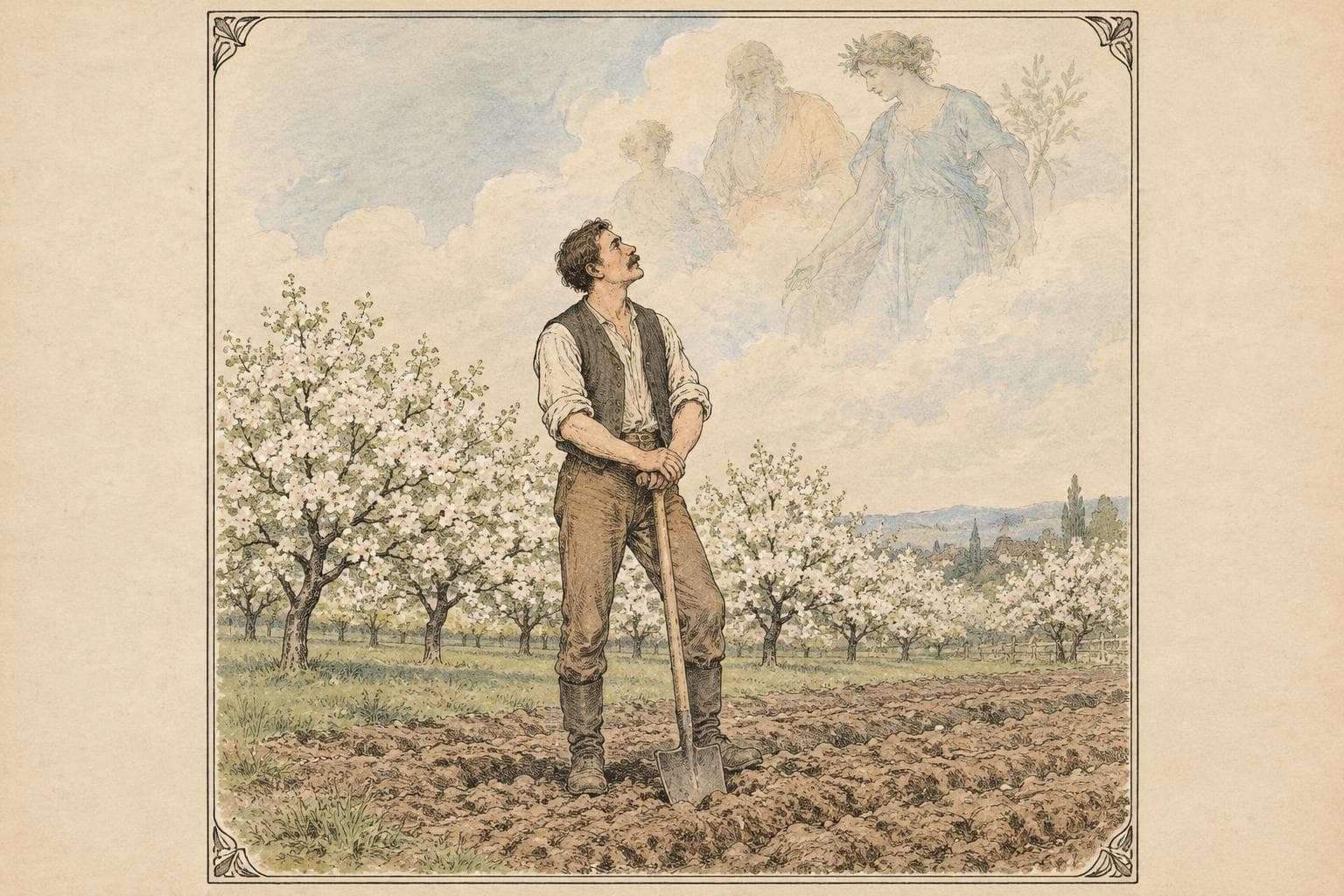
You Were Never Meant to Float Away
The version of hope we've been sold, souls escaping to heaven, is not the Christian story. The resurrection announces something far more physical, far more radical: God is not abandoning His creation. He is renewing it.
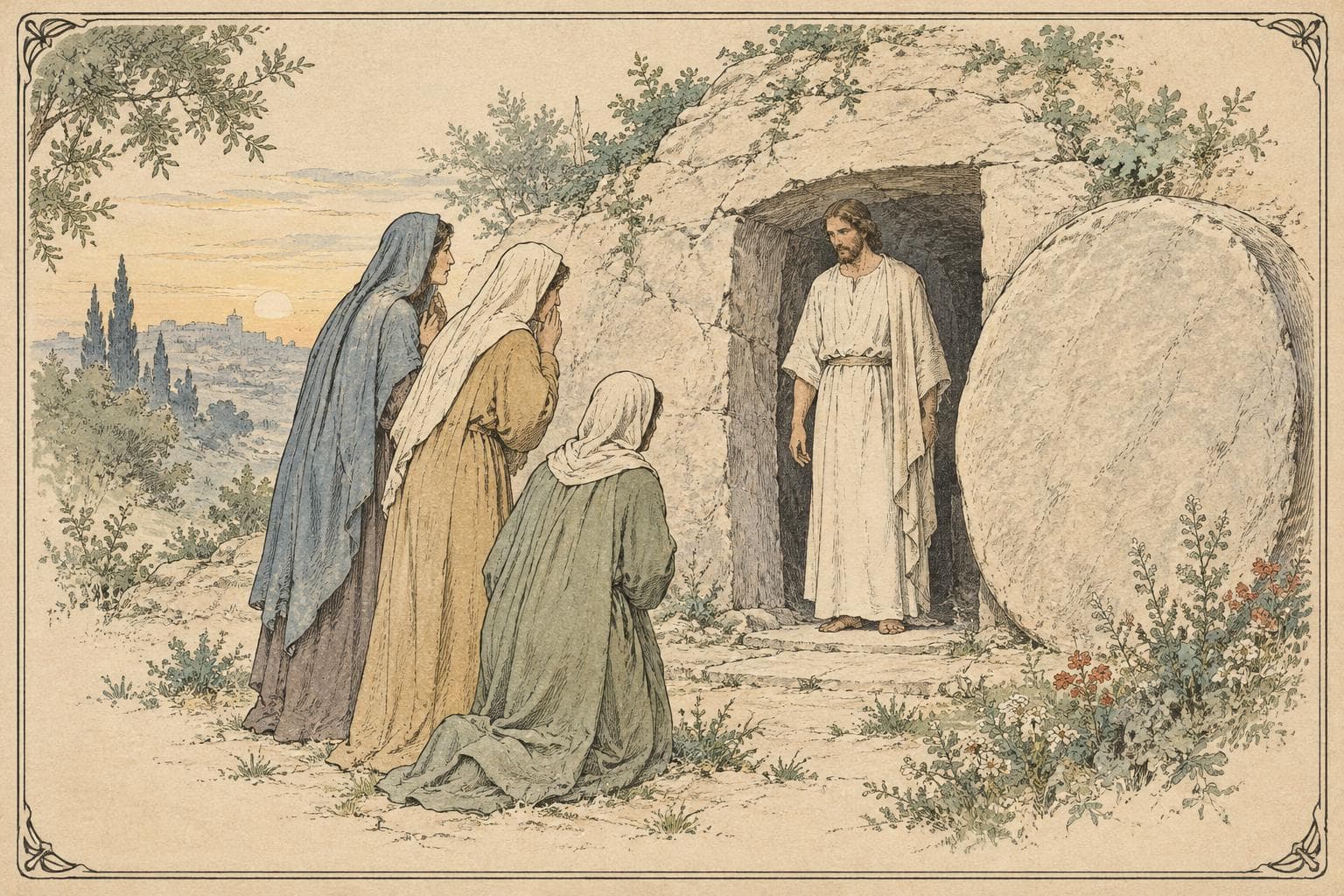
The Death We Cannot Accept: Why Resurrection Is the Only Coherent Hope
We live in a curious age where even the most committed materialist treats death as an intruder. The vocabulary of our deepest moral intuitions keeps pointing us toward a story we claim not to believe.
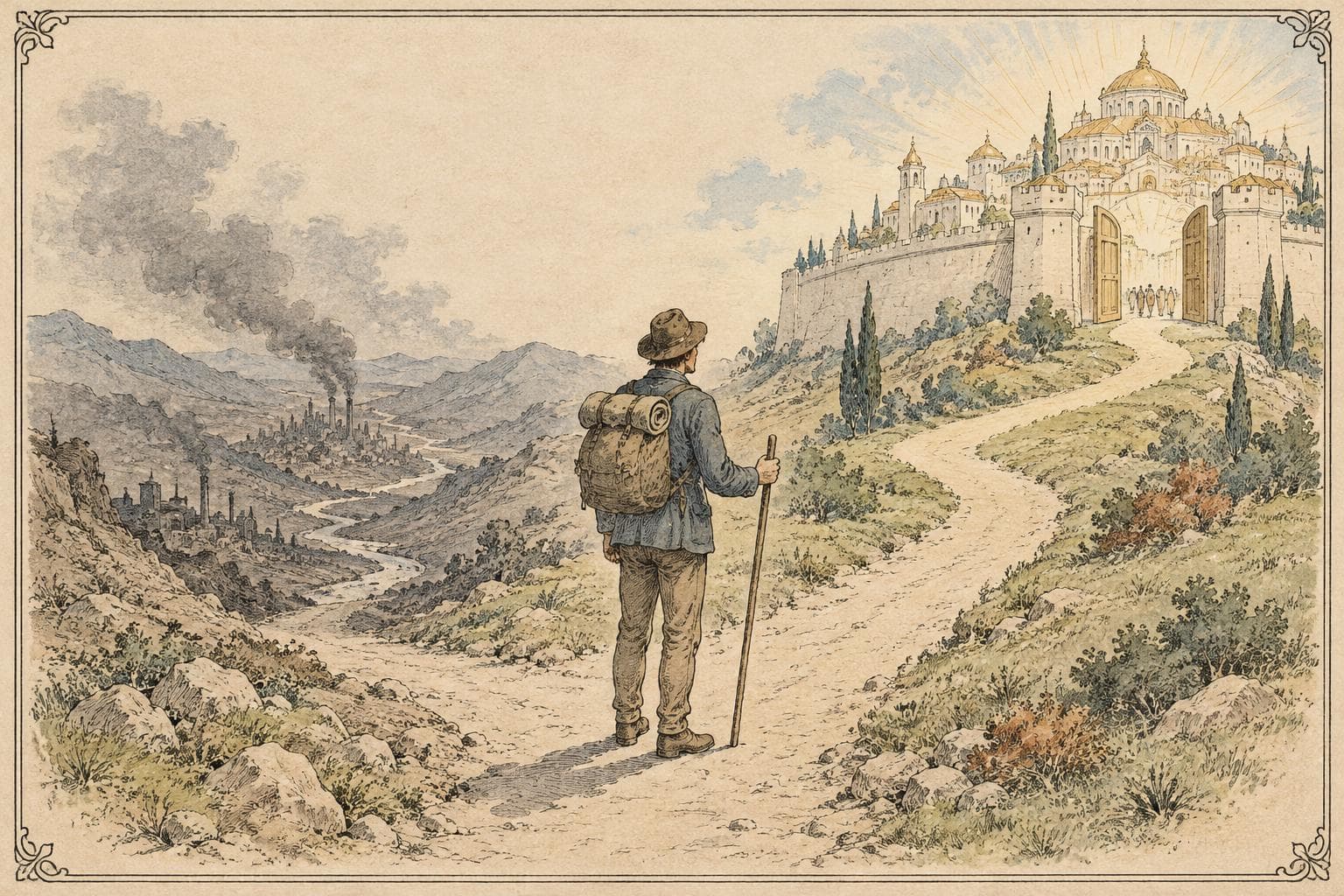
The City and the Fire: On the Two Destinies That Stand Before Us
Revelation presents us with two concrete destinations: a city and a fire. Life and death. Inclusion and exclusion. Perhaps it is time we took another look.
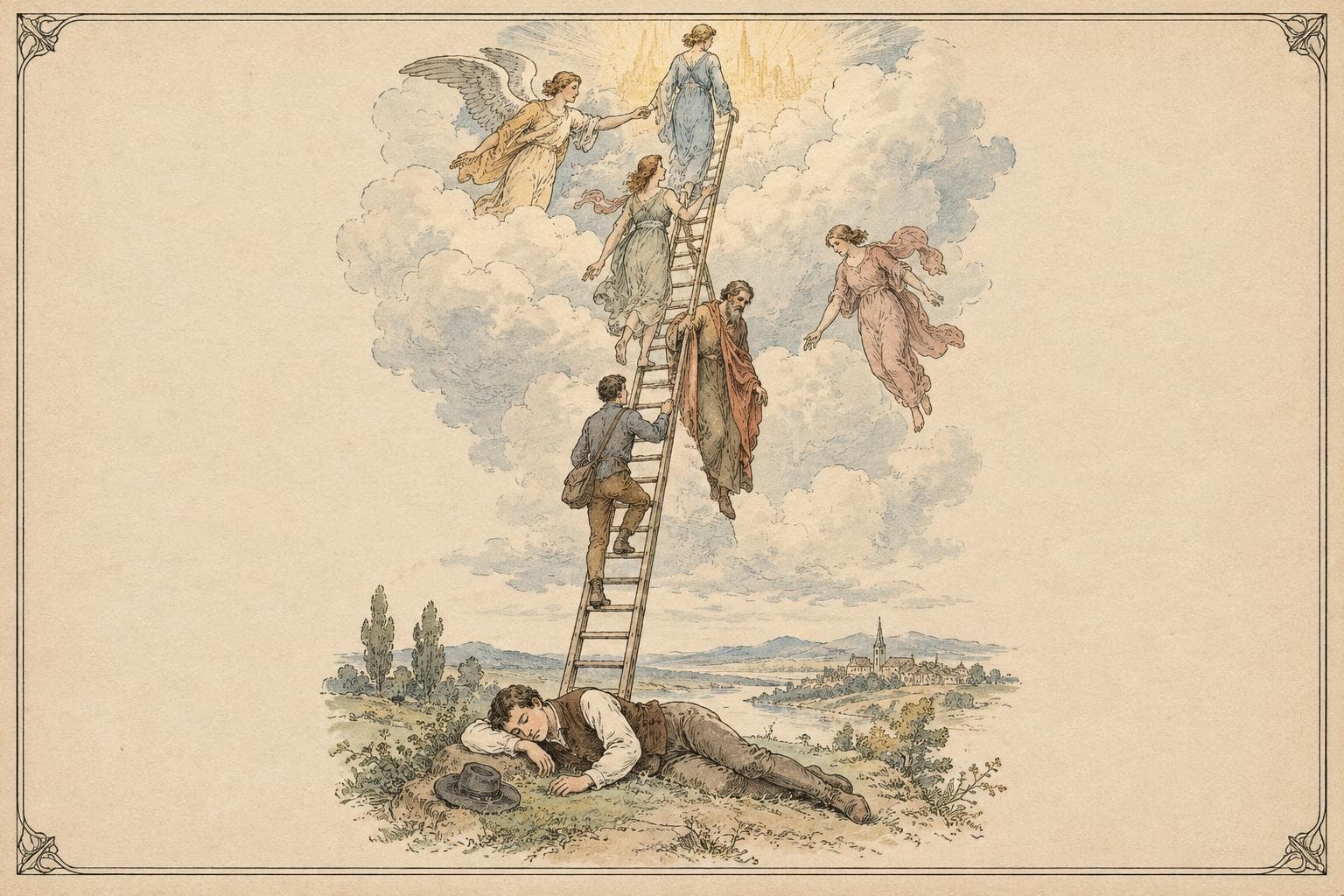
What Heaven Really Is
Most people think of heaven as some far-off place where we go after we die. But that was never YHWH's plan. His real plan is much better: He wants heaven and earth to become one place again.
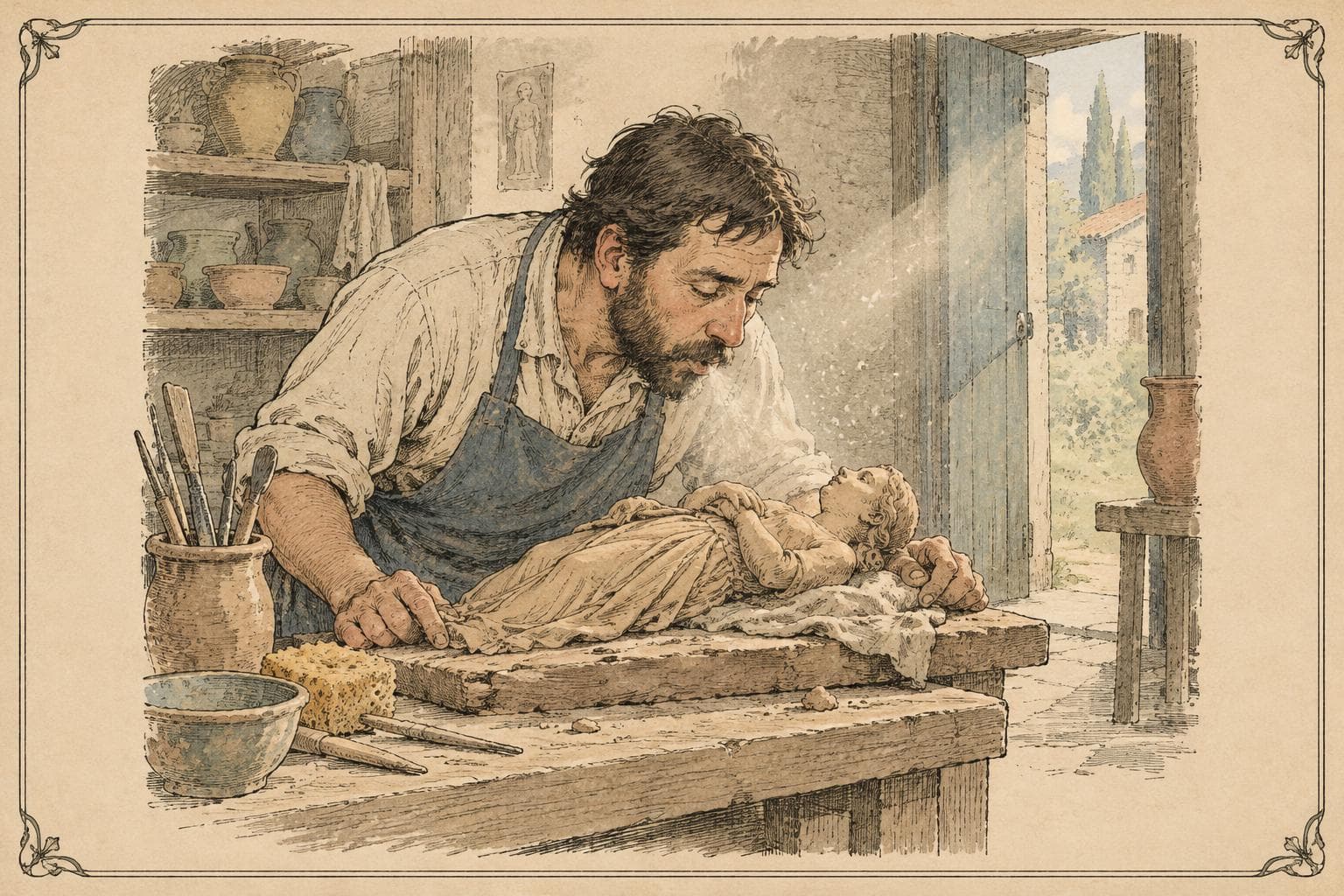
The Breath You Cannot See and the Life You Cannot Deny
We can go our entire lives breathing without ever thinking about breath itself. And yet breath is perhaps the most profound metaphor the biblical writers had for the presence and power of God. Not because they were looking for poetic flourishes, but because they understood something we've largely forgotten: that every breath is a gift, and the Giver is nearer than we imagine.