Hair and Nails of Inca Mummies Reveal the Drugs Behind Sacrifice
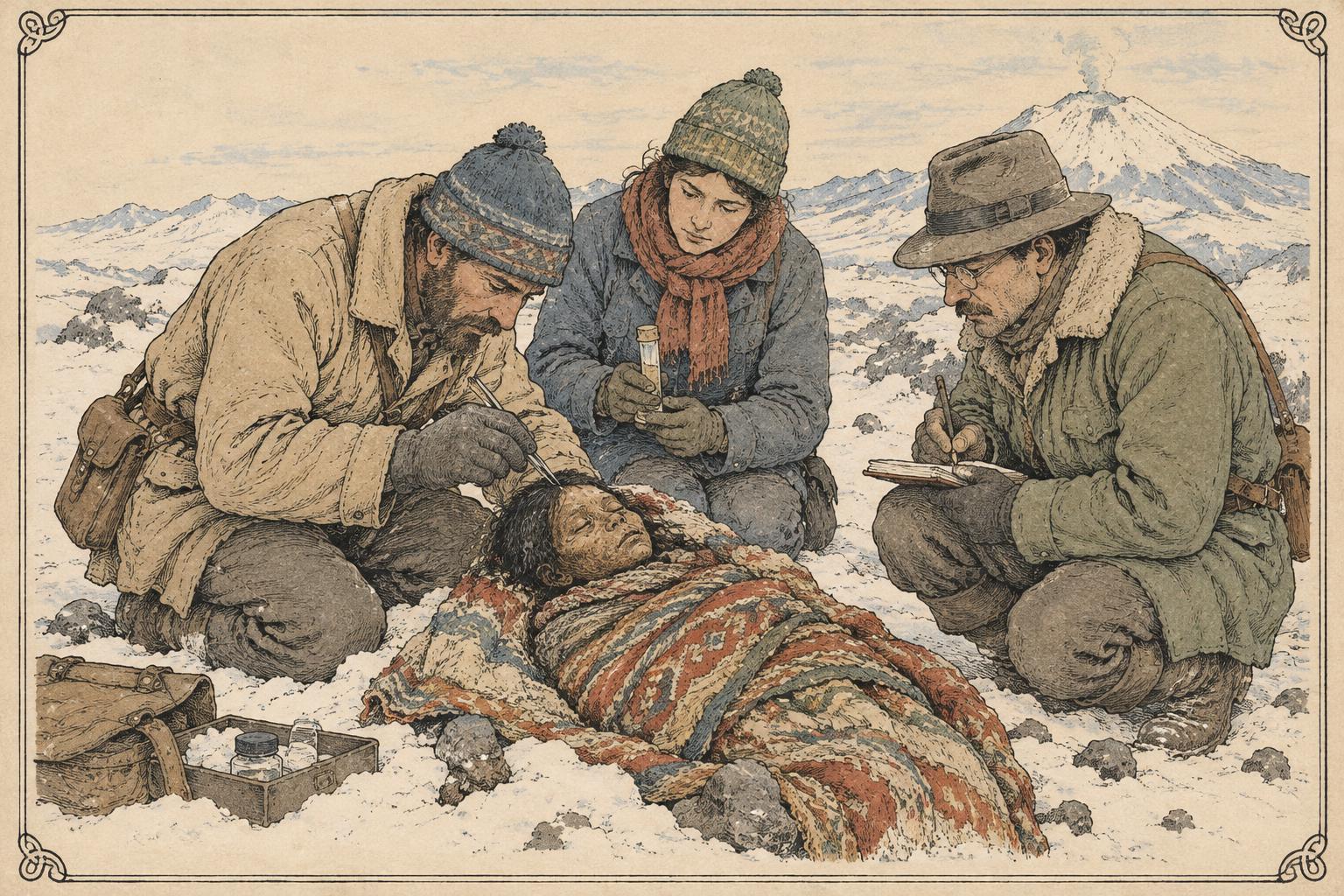
Toxicological tests on eight mummified Inca sacrifice victims found cocaine in all of them. Other substances differed from body to body. The team, led by Dagmara Socha of the University of Warsaw, studied hair and nail samples from mountain burials in Peru and Argentina. The victims died about 500 years ago. The results appear in the journal Antiquity.
The rite in question is the capacocha, one of the most sacred ceremonies of the Inca Empire. Children and young women were sacrificed at high shrines as an act of veneration for major deities. They were thought to become go-betweens linking the living and the divine. Psychoactive substances may have been given to heighten their prophetic powers.
Hair and nails are useful because chemicals become locked into their keratin. Earlier studies gave negative results or looked mainly at coca. Socha says newer methods can now pick up very low concentrations, which allowed a wider search.
Cocaine turned up in every mummy, so each individual had chewed coca leaves. The leaves were offerings to the gods. They may also have eased hunger, fatigue and altitude sickness on the long climb. Four of the eight showed signs of alcohol, probably chicha, a maize beer. Period accounts describe chicha as a way to numb and settle the children near the end of the ritual.
The most striking result came from the Lady of Ampato, also called Juanita, a girl of about 14. Her samples held harmine, an alkaloid tied to Banisteriopsis plants, a main ingredient of ayahuasca. Socha suggests that a harmine-bearing drink may have played a particular part in ceremonies at that sacred mountain.
The overall pattern is one of difference. In phys.org's account, Socha concludes that the capacocha "was not a single standardized ritual." The Incas appear to have fitted it to local cults, local traditions and the sacred places or deities involved. Socha also told Archaeology Magazine that the preparation of the children was more complex and varied than researchers had thought.
Written records mention Inca use of psychoactive plants but say little about the capacocha itself. Chemistry drawn from the bodies now supplies individual detail. It shows a state ritual that varied with place and cult, and it shows how physical evidence can refine what texts describe only in outline.
Compiled from the reports below. Read the originals.
Sources
- November 2, 2026phys.orgAnalysis of Inca mummies identifies the drugs used in their most important sacrificial ritual
- November 6, 2026Archaeology MagazineSacrificed Inca Children Were Given Drugs, Alcohol Prior to Death