Every culture has its rites of passage, but only one tradition insists that a person must pass, in some sense, through death itself before they can be said to truly live. We throw the phrase "born again" around so casually now, as a label for the politically devout or the recently enthusiastic, that we have lost the force of what it first meant on the lips of a Galilean teacher speaking to a learned man in the dark. The claim at the center of being born again of water and Spirit is not decorative. It is not a denominational badge or a passing mood.
It is a claim about the structure of reality itself. Birth leads to death. Death entered through a choice our ancestors made. And only a second birth, of water and Ruach HaKodesh, the Spirit of God (Alohim), can reverse the direction we were all born already running. That is what John chapter 3 means by being born again, and it is worth walking through slowly, the way the earliest hearers would have, without smoothing over the uncomfortable parts.
The First Miracle No One Remembers
The Fragile Passage Into Life
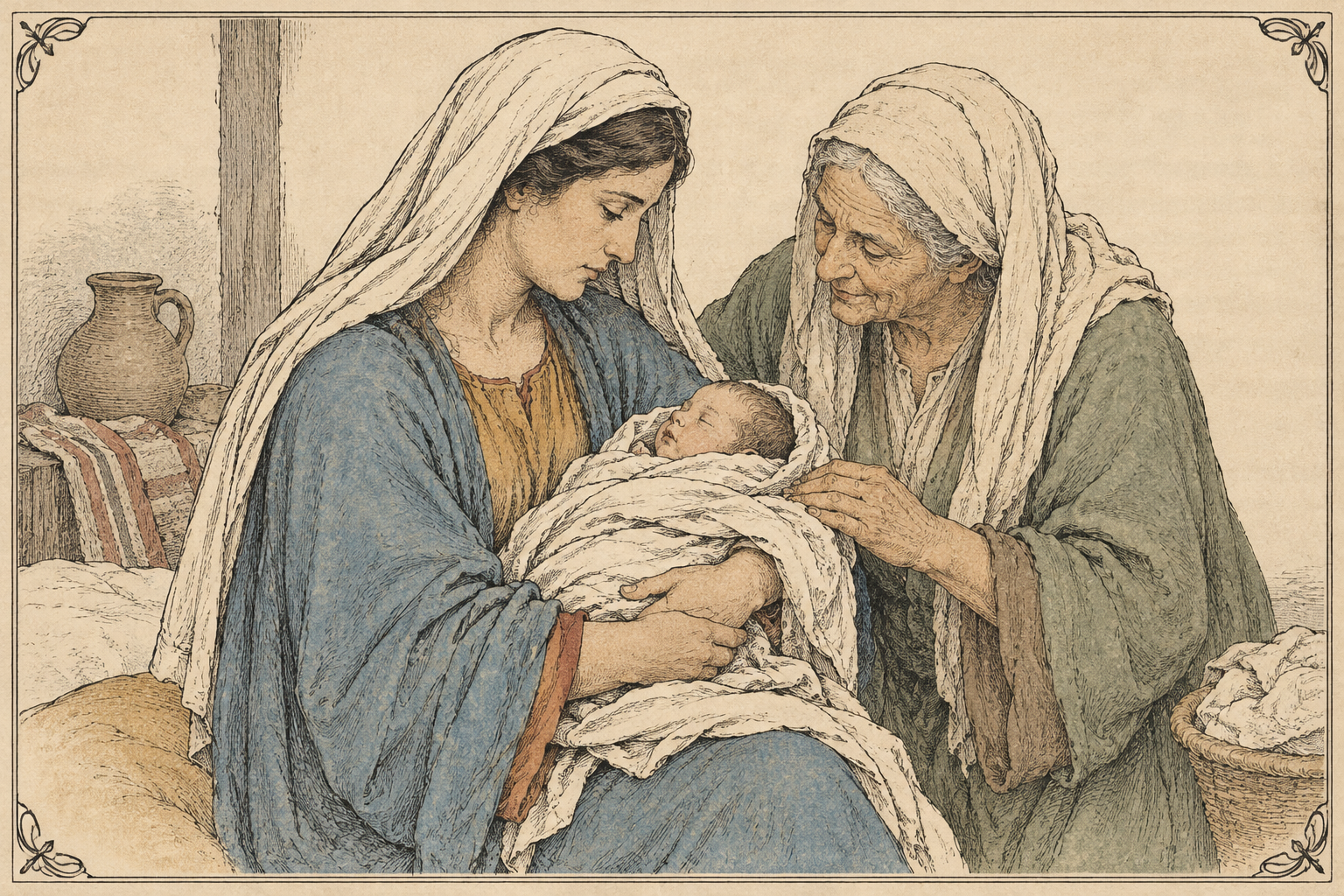
Before anyone speaks of being born again, consider what it took simply to be born the first time. The ancient world knew, with a bluntness we have mostly forgotten, how perilous the journey from conception to birth was. Mothers died. Infants died. The earliest rabbis spoke of gestation itself as a hidden wonder, a passage through darkness that no one survives by skill or merit.
Modern medicine has not erased this fragility so much as hidden it behind machines and statistics. Every person reading this sentence has already survived nine months of total dependency, a birth canal, and the first vulnerable hours of breathing air for the first time. None of us engineered that survival. We were carried through it.
A Beginning We Did Not Choose
Here is the first thread the biblical story wants us to notice before we go any further. No one chooses to be born. No infant negotiates the terms of its own arrival. Life, at its inception, comes as a gift received rather than an achievement earned, and this pattern turns out to matter enormously for everything that follows.
The biblical writers will later insist that the second birth works the same way. Salvation, like birth, arrives from outside us. We do not achieve it any more than an infant achieves its own delivery. That pattern, set at the start of human experience, becomes the template for understanding what it means to be born again of water and Ruach HaKodesh. The first miracle prepares us to recognize the second.
Born Running Toward Death
The Body That Seemed Permanent
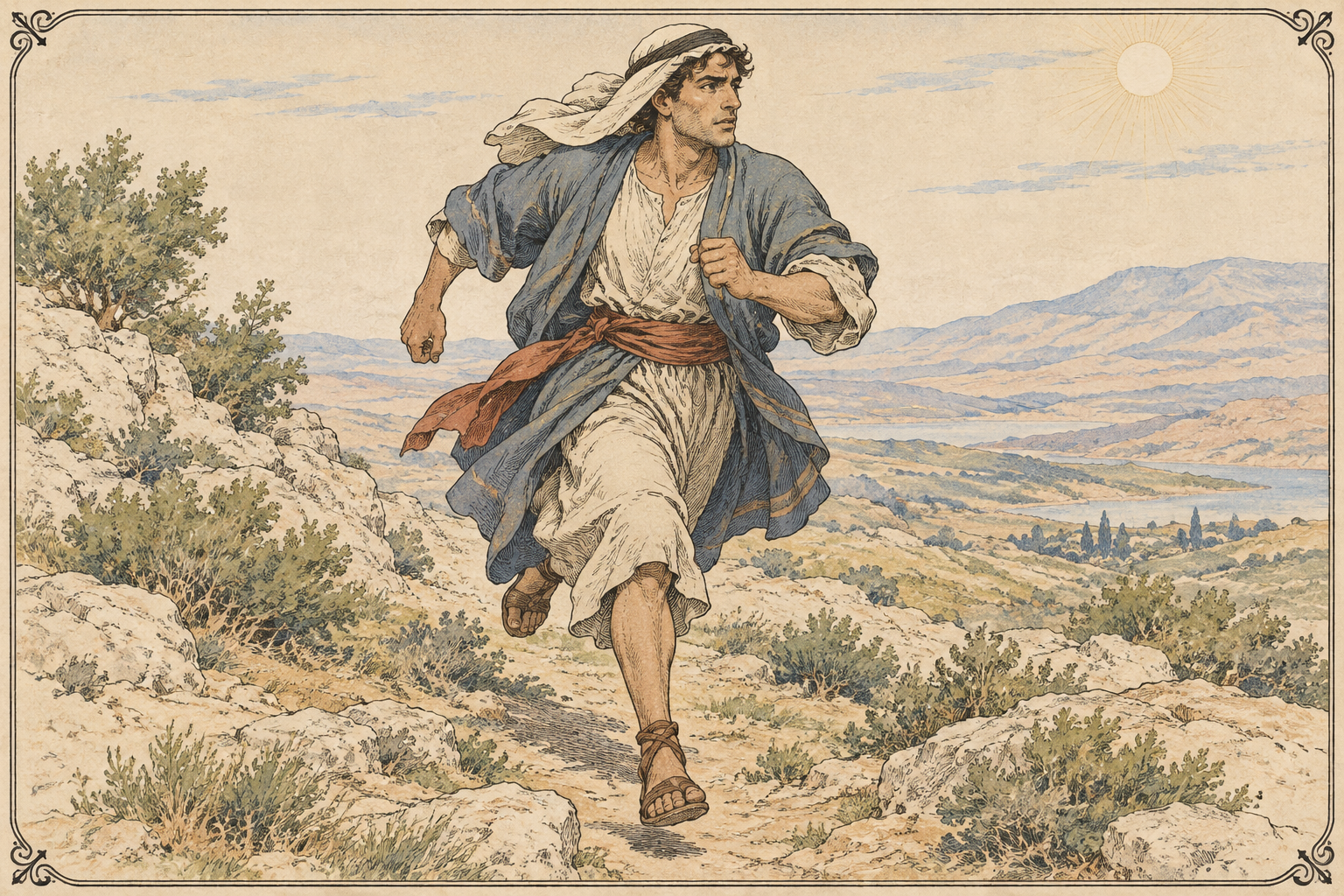
Here is the part that nobody wants to say out loud at a birthday party, though every grandparent knows it in their bones. The moment a child draws its first breath, a countdown has already begun. Infancy gives way to the astonishing vitality of youth, when the body feels invincible, when death seems like a rumor that happens to other people.
That feeling is not wrong exactly. It is simply premature. The body in its twenties can run for miles, heal from wounds overnight, stay up all hours and recover by morning. All of this can trick a person into believing that mortality is optional, a problem for later. It never is. The vigor of youth disguises, for a season, a quiet mortality already doing its work beneath the surface.
Not the Original Design
Here is where the biblical story says something genuinely strange, something that cuts against both ancient fatalism and modern naturalism alike. Death, according to this story, was never the plan. The opening chapters of Genesis describe human beings placed in a garden with access to a tree of life, intended for a kind of existence that does not wind down and expire.
This is the foundation of the entire biblical narrative arc, from Genesis to Revelation, which consistently treats death as an intruder rather than a natural feature of the original design. The ancient Hebrew storytellers were not confused about biology. They were making a theological claim: that decay and mortality entered a world built for something else entirely. Unending life was woven into the human design from the start, and that is precisely what makes its loss a tragedy rather than simply a fact of nature.
How Death Entered Through Our Ancestors
The Turning Away in the Garden
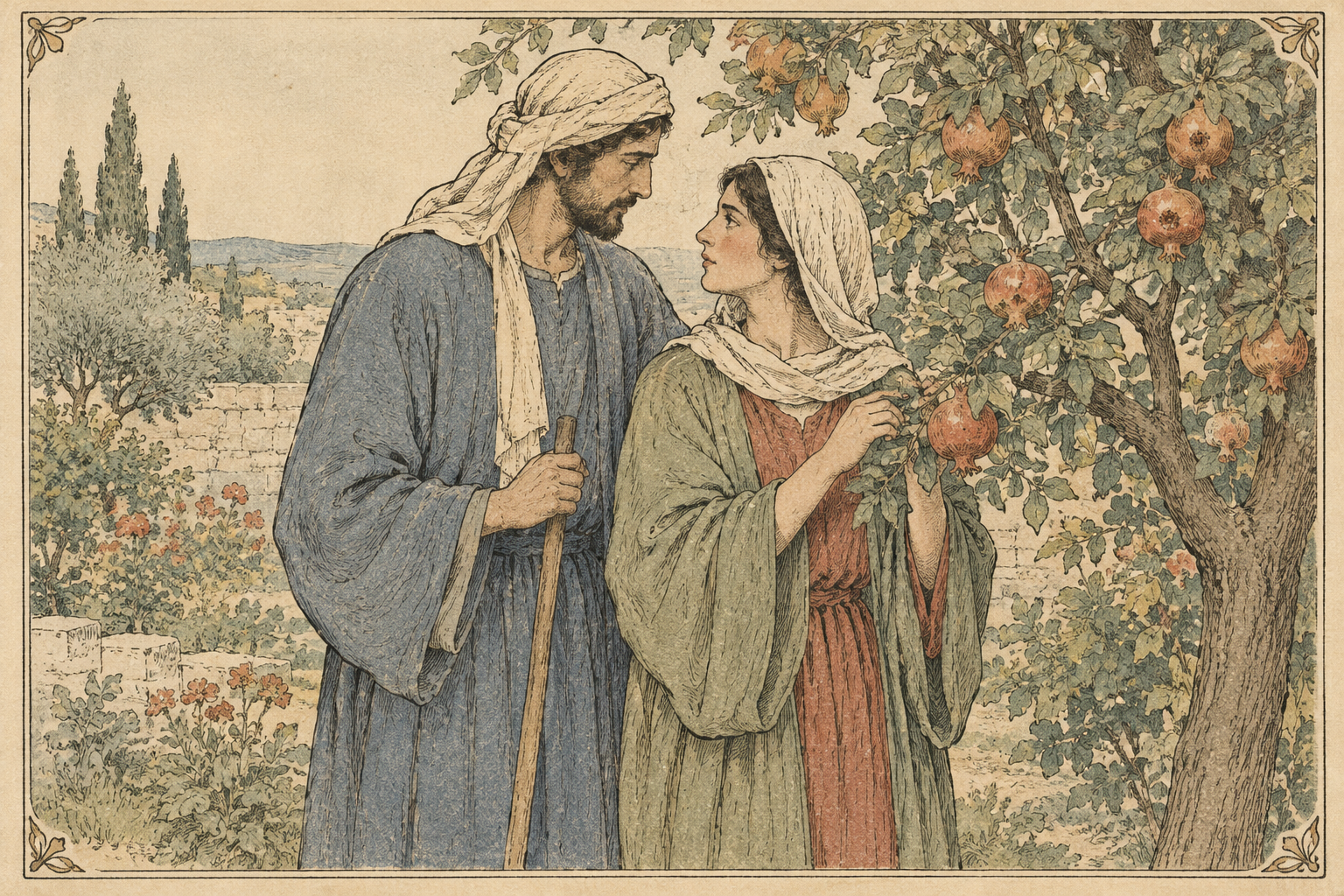
So what happened? The Genesis account answers plainly enough, even if it answers in the compressed, symbol-laden language of ancient storytelling. Our ancestors, given freedom and a single boundary, chose to cross it. They reached for autonomy on their own terms rather than trust offered on God's terms, and death entered the world as the consequence of that turning away, not as an arbitrary punishment bolted onto an unrelated crime.
God had warned them plainly that the day they ate of the forbidden tree they would die, and the Genesis narrative treats that warning as a description of cause and effect rather than a threat invented after the fact. Disconnection from the source of life produces death, the way a branch cut from a tree withers regardless of how healthy it looked the day before. That is the shape of the fall, a tragic and entirely coherent unraveling rather than a divine overreaction.
Why the New Testament Keeps Returning to the Garden
The New Testament writers never let this story recede into ancient history. Paul describes humanity as being "in Adam," subject to a condition inherited rather than individually chosen. The whole logic of atonement, of a new covenant, of resurrection hope, depends on there being a real wound in human nature that needs more than moral adjustment. Something shattered. The break explains the world as everyone experiences it.
This is why the biblical writers can speak of death reigning, of creation groaning, of a world subjected to decay against its will. They are not being poetic for effect. They are describing, in the only terms available to them, what every hospital room and every funeral confirms. A world built for life has been overtaken by its opposite, and the explanation lies back in that ancient garden, in a choice made by ancestors who wanted something other than what they were given.
Why We Have No Standing to Judge the Ancestors
We Fall the Same Way, Daily
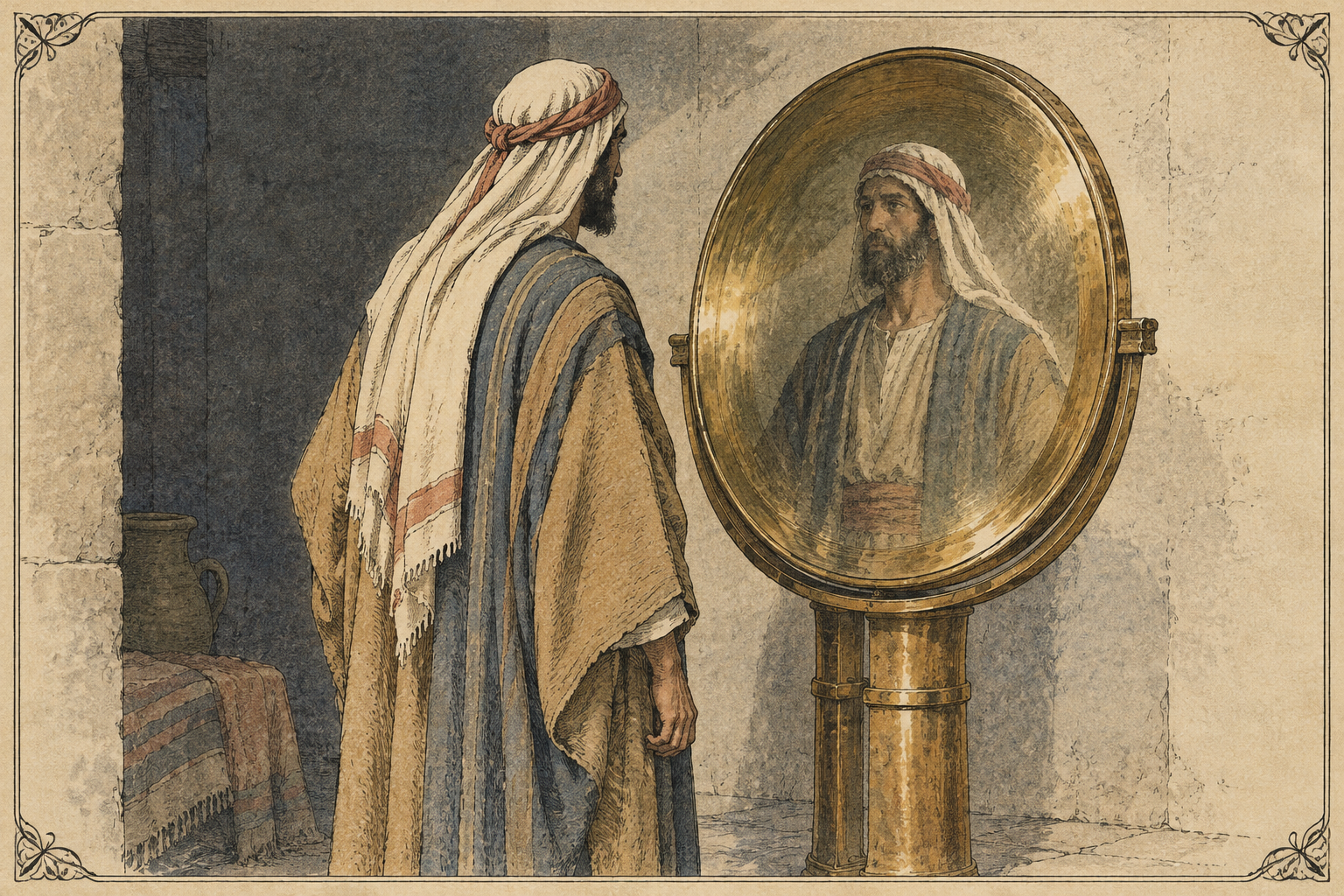
It would be easy, reading the Genesis account from the safe distance of several thousand years, to feel superior to the ancestors who made that choice. We might picture ourselves wiser, more patient, less susceptible to the whispered suggestion that we deserve more than we have been given. This is, on close inspection, a remarkably poor piece of self-assessment.
Because the truth is that we repeat the same turning away constantly, only in smaller denominations. We reach for autonomy over trust nearly every day. We let hours slip past unnoticed, squandering time as though we had an unlimited supply of it, which is precisely the illusion that cost our ancestors the garden in the first place. None of this means the ancestors bear no responsibility. It means we are in no position to throw the first stone, since we are made of the same stumbling material and show it constantly.
The Hidden Day Nobody Can Plan Around
Here is the detail that should unsettle anyone tempted toward complacency. No one knows the day of their own death. Not the healthiest among us, not the most careful, not the person who has done everything right by every actuarial table available. This single hidden fact exposes the futility of trying to manage mortality through willpower, diet, or sheer determination to outlast the inevitable.
People have tried for as long as records exist. Pharaohs built pyramids to cheat oblivion, emperors searched for elixirs, and modern biotech firms now promise, with striking confidence, that death is simply an engineering problem awaiting a sufficiently clever solution. The biblical writers would regard all of this with a kind of weary familiarity. The hidden day cannot be outmaneuvered. It can only be met, and the question worth asking is not when it arrives but what a person has become by the time it does.
Born Again of Water and Ruach HaKodesh: The Only Way Forward
What Jesus Meant by Being Born "Anothen"
This brings us to the conversation recorded in John chapter 3, where Jesus (YHWShA) tells a learned teacher of Israel that no one can see the kingdom of God unless they are born "anothen," a Greek word carrying a deliberate double meaning: both "again" and "from above." The teacher hears only the first sense and objects, reasonably enough, that a grown man cannot climb back into his mother's womb for a second delivery.
This is typical of conversations throughout Yahuchanan's Gospel. Someone hears a plain, almost domestic word and misses the deeper register Jesus intends, and Jesus has to correct the misunderstanding rather than abandon the image. The point concerns origin, not biological repetition. This birth comes from God rather than from human descent, much as Yahuchanan's prologue had already insisted that those who receive Jesus are given the right to become children of God, "born not of blood, nor of the will of the flesh, nor of the will of man, but of God." The kingdom itself, Jesus will later say, is not from this world. Entry into it requires an origin not from this world either.
Water and Spirit: Two Images, One New Birth
Jesus makes the point even more specific: "unless one is born of water and the Spirit, he cannot enter the kingdom of God." Two images, pressed together into a single new birth. Water recalls the washing already practiced by Yahuchanan the Baptist in the Jordan, itself a dramatic sign of repentance, of the old life symbolically drowned. But water had deeper echoes still, reaching back to the prophets.
Yashayahu had promised a day when God would sprinkle clean water on his people and give them a new heart, replacing a heart of stone with a heart of flesh. Jeremiah had spoken of a new covenant written not on tablets but on the inward parts. Jesus is not inventing a new metaphor in that conversation. He is claiming that the long-promised renewal of Israel, the cleansing and inward transformation the prophets had been pointing toward for centuries, was now standing in the room, available, urgent, and necessary. Water pictures the cleansing. Spirit supplies the life that cleansing alone cannot produce.
Ruach HaKodesh in Jewish and Christian Understanding
The Spirit in question is Ruach HaKodesh, the Holy Spirit, a term with roots running deep into the Hebrew Scriptures. The same Ruach that hovered over the waters at creation, that filled craftsmen to build the tabernacle, that came upon judges and prophets and kings, is the Ruach Jesus says must now bring about a birth from above in ordinary men and women. This is not a vague spiritual atmosphere. It is the living breath of God, the same breath that animated Adam in the garden, now breathed afresh into those who receive it.
Jesus adds a further observation that should temper any impulse to reduce this teaching to a formula: "The wind blows where it wishes, and you hear its sound, but cannot tell where it comes from and where it goes. So is everyone who is born of the Spirit." The Greek word for wind and Spirit is the same, pneuma, as the Hebrew ruach likewise means both wind and breath and spirit depending on context. The new birth, like the wind, cannot be manufactured or controlled by human technique. It can only be received, the way the ancestors in the garden were meant to receive life as gift rather than seize it as achievement. Of course one can attempt to reform their behavior, improve their habits, adopt better practices. But what you cannot do, not if you want to enter the kingdom Jesus describes, is substitute moral improvement for an actual new origin. Reform rearranges the old life; rebirth replaces it entirely.
Peter: A Life That Proves the Argument
From Denial to Pentecost
If all of this sounds abstract, the book of Acts supplies a flesh-and-blood demonstration in the person of the apostle Peter. Here was a man who, under pressure in a courtyard on the night of Jesus's arrest, denied three times that he even knew him, cursing for emphasis the third time. This was a complete collapse of nerve from a man who had sworn, hours earlier, that he would die before disowning his teacher.
And yet this same Peter stands up in Jerusalem seven weeks later, filled with Ruach HaKodesh, and preaches with a boldness that gets three thousand people baptized in a single day. Something happened between the courtyard and the upper room that cannot be explained by willpower, self-help, or a stern resolution to do better next time. Peter did not reform his way out of denial. He was, by his own later testimony and the testimony of the whole early movement, born again, given a new origin that the old Peter could never have produced on his own.
Repentance and New Birth in Acts 2
The content of Peter's sermon at Pentecost, recorded in Acts chapter 2, makes the connection to John chapter 3 impossible to miss. When the crowd, cut to the heart, asks what they should do, Peter answers: "Repent, and let every one of you be baptized in the name of Jesus Christ for the forgiveness of your sins, and you shall receive the gift of the Holy Spirit." Water and Spirit again, exactly as Jesus had described them years earlier to a teacher who could not yet see how such a thing was possible.
Peter goes on preaching this same pattern throughout Acts, in the temple courts, before the Sanhedrin, in the house of a Roman centurion named Cornelius where Ruach HaKodesh falls on gentile hearers before they are even baptized, startling Peter's Judean companions into recognizing that this new birth was never meant to stay confined to one people. The man who once could not withstand the question of a servant girl by a charcoal fire becomes the man who stands before the council that had crucified Jesus and declares, without flinching, that there is salvation in no other name. That transformation is the argument of John chapter 3, lived out in a single identifiable human life, witnessed and recorded by people who knew him before and after.
Born again of water and Spirit is not, in the end, a phrase to be worn lightly or traded as a tribal marker. It describes the only remedy available for a condition woven into the human story since the ancestors first turned away in the garden. We are born running toward death, every one of us, carrying forward a mortality we did not choose and cannot outmaneuver through willpower or reform. The hidden day will come regardless. What Jesus offered that teacher in the dark, and what Peter later lived out before crowds in Jerusalem, is a new origin entirely rather than an improvement plan, a birth of water and Ruach HaKodesh that alone opens eyes to see the kingdom of heaven. The invitation stands exactly where it stood two thousand years ago, open to anyone willing to receive, rather than achieve, the life being offered. Those who want to walk further into this teaching, and to see how it shapes a life from the inside out, are welcome to keep reading at Babel Report.