There is an old joke, the kind passed around in seminary classrooms and late-night theology discussions, about a tavern philosopher who overhears someone quoting Hamlet. "To be or not to be," the quoter intones, waiting for the gravity of it to land. The philosopher waves a hand, unimpressed. "That was never the real question," he says. "The real question is what must I do to enter the kingdom of heaven." It is a joke, technically, but it lands because it is true. The tavern philosopher, without quite knowing it, had stumbled onto the center of gravity in the Gospels.
Three times in the New Testament, different people stand before different teachers and ask some version of exactly that question. A rich young man asks it running. A lawyer asks it testing. A crowd of thousands asks it weeping. The answers they receive are not identical, and that difference is where the whole inquiry has to begin. Because the question of how to enter the kingdom of heaven has never gone away. It has only been buried under noise, distraction, and a marketplace of competing voices eager to answer it for you, at a price you won't learn until much later.
The Question That Will Not Leave You Alone
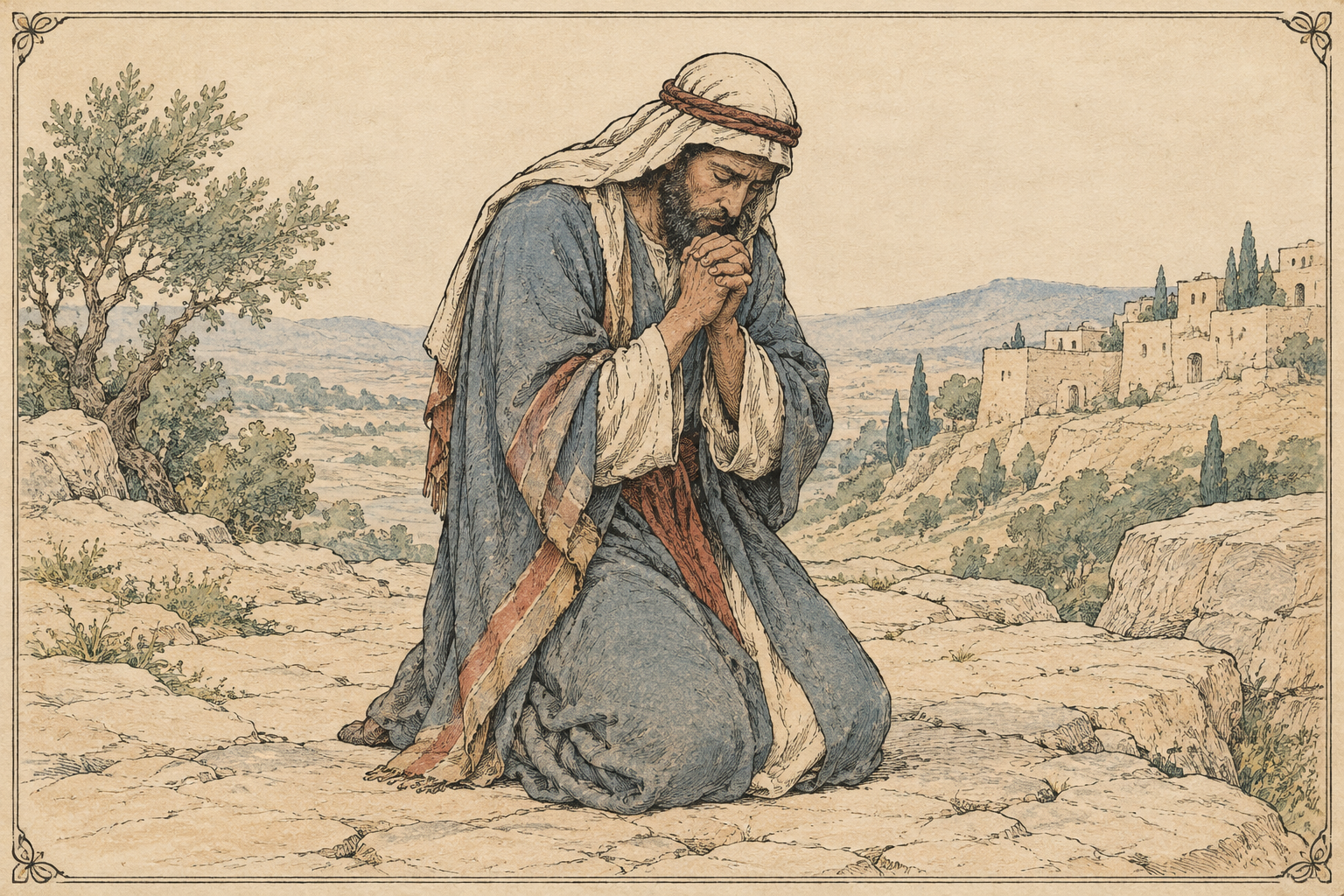
Every generation tries to replace this question with something smaller. The Greeks asked what makes a life virtuous. The Enlightenment asked what makes a society rational. The modern West asks what makes a person authentic. These are not bad questions. But they are downstream of a deeper one, and the biblical writers knew it. The question underneath all the others is whether a person's life connects to something beyond itself, something with the authority to call it good or call it wanting. That is the kingdom question, and it refuses to stay buried.
A Rich Young Ruler Who Forgot His Dignity to Ask It
In Matthew 19:16, a wealthy young man runs toward Jesus (YHWShA). This detail is easy to miss and should not be. Serious men in the ancient Mediterranean world did not run. Running was for children, slaves, and messengers delivering urgent news, not for a man of means and standing. Yet here he is, breathless, undignified, blurting out his question before he has even caught his breath: "Teacher, what good deed must I do to have eternal life?"
He had everything a first-century Judean could want. Wealth, youth, a clean moral record by his own account. And still he ran. Still something in him sensed a hole no possession could fill. The urgency of his question tells us more than its content does. He was not browsing. He was desperate, and desperation, however well-dressed, has a way of outrunning decorum.
A Lawyer Who Asked the Same Thing to Test Him
Contrast this with Luke 10:25, where a trained legal scholar stands up and asks an almost identical question: "Teacher, what shall I do to inherit eternal life?" The words are nearly the same. The posture could not be more different. Luke tells us plainly that the man asked "to test him," wanting to justify himself rather than to learn anything.
This is not a minor detail. It means the same question, word for word, can come from two entirely different places in a person. One man runs because he is hungry. Another stands because he wants to win an argument. Jesus answers both, but he answers them according to what is happening in their hearts, not merely according to the grammar of their question. The sincerity behind the asking matters as much as the asking itself.
A Crowd Cut to the Heart at Pentecost
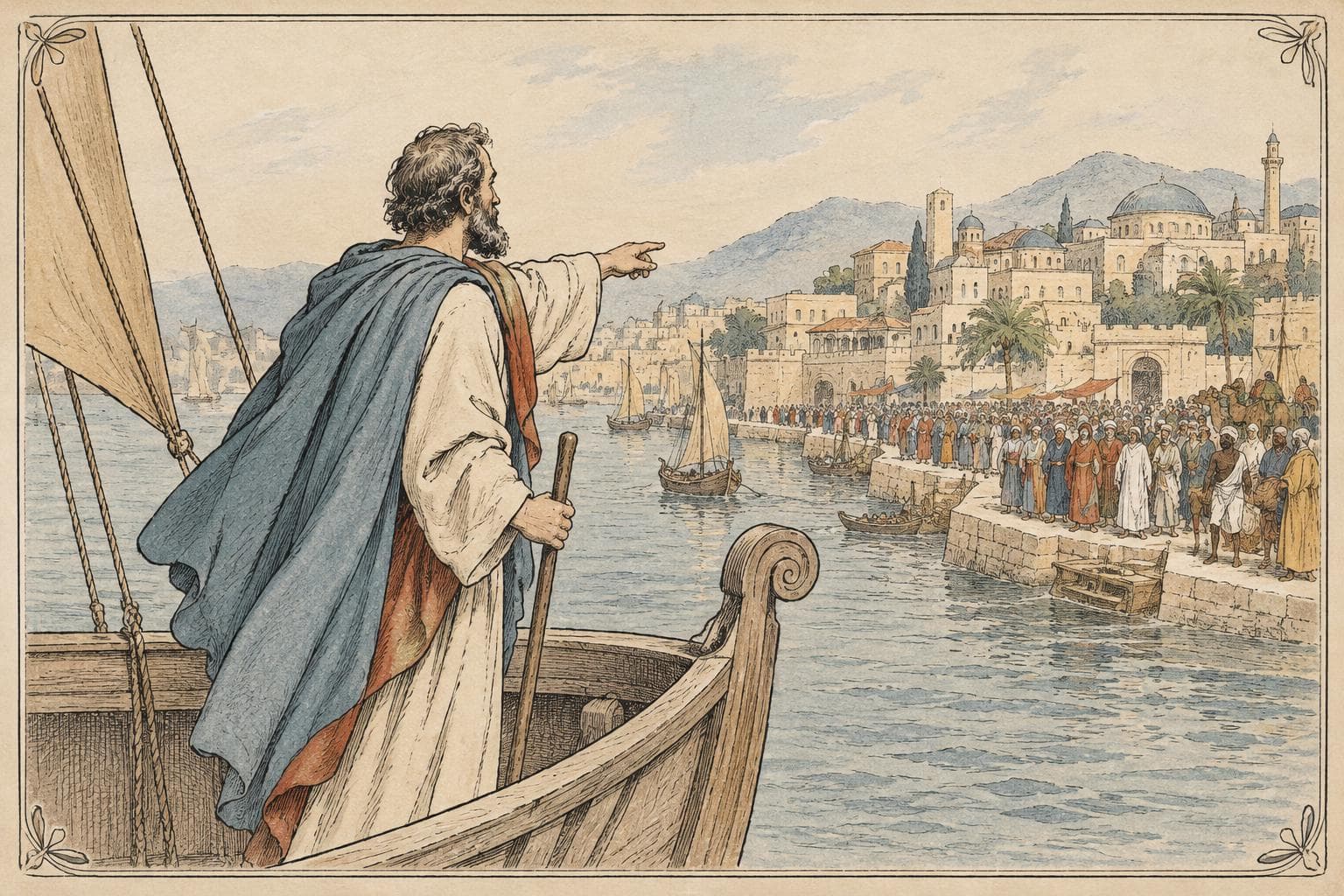
Then there is Acts 2:37, which gives us the question's most dramatic appearance. Peter has finished explaining that the man Jerusalem crucified weeks earlier is in fact Lord (YHWH) and Messiah, and Luke records that the crowd was "cut to the heart." Thousands of people, strangers to one another, cry out in unison: "Brothers, what shall we do?"
This was not a single anxious seeker running across a field. This was a mass of ordinary people, Judeans gathered from across the known world for a festival, suddenly confronted with the possibility that they had participated in something monstrous and that a door of mercy stood open anyway. The question was not reserved for the rich, the educated, or the skeptical. It belonged to everyone in that crowd who sensed the weight of their own life laid bare. It belongs to everyone still.
Why the First Answer You Hear Is Rarely the Right One
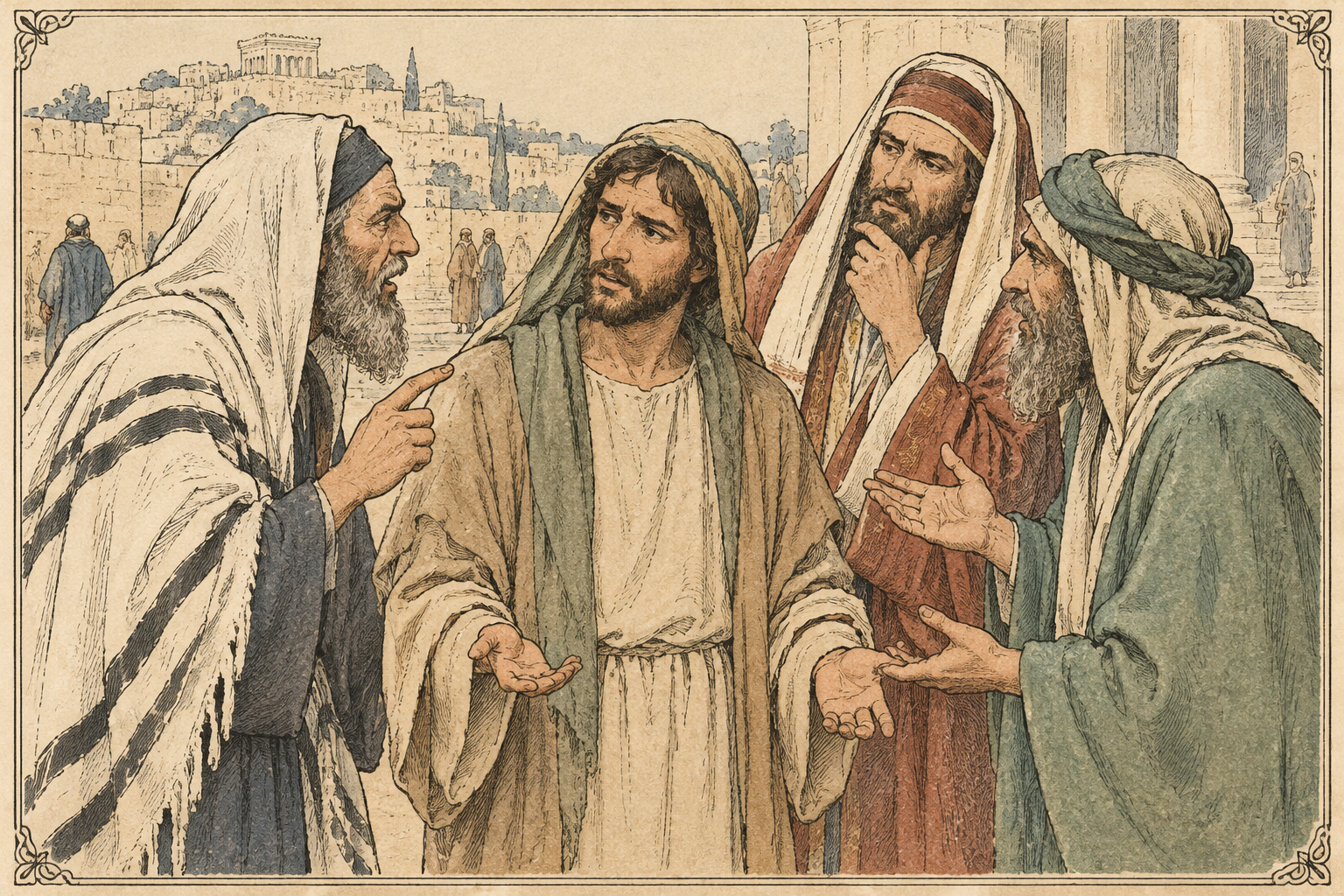
So far we have three people asking variations of the same question. Here is the complication. The religious marketplace surrounding each of them was loud, confident, and full of people willing to answer instantly. It still is. Volume has never been evidence of truth, and the first voice to respond to a spiritual question is not automatically the truest one.
Seek, Ask, Knock: A Command, Not a Suggestion
Matthew 7:7 is often quoted as comfort, and it is comfort, but it is also instruction. "Ask, and it will be given you; seek, and you will find; knock, and it will be opened to you." Notice the verb tenses. These are not single actions completed once. They describe a posture sustained over time, an ongoing pursuit rather than a transaction closed at the first available offer.
The honest teachers of the early church understood this as both urgent and patient. God (Alohim) does not delay in answering a heart that seeks him honestly, but neither does such a God force his way into a life uninvited. The seeking has to be real, not performative, and it has to continue past the point where the first plausible answer presents itself. Settling for whatever arrives first is a mistake.
The Berean Standard: Checking Even an Apostle's Words
Acts 17:11 gives us the clearest model of what this active seeking looks like in practice. When Paul arrived in Berea and began teaching, Luke tells us the Judean community there received the message eagerly, but then did something extraordinary. They checked it. Daily. Against the Scriptures. They did not take even an apostle's word as self-authenticating simply because he said it with conviction.
This is worth sitting with. Paul, who had seen the risen Jesus and received a direct commission, was still subjected to scrutiny by ordinary Berean believers comparing his claims against the written word they already trusted. If an apostle's teaching could be tested rather than merely believed, no teacher since has earned exemption from the same standard. That is what spiritual maturity looks like, not disrespect toward spiritual authority.
Testing the Spirits Before Trusting a Shepherd
First John 4:1 makes the command explicit: "Beloved, do not believe every spirit, but test the spirits to see whether they are from God, for many false prophets have gone out into the world." Paul says much the same in 1 Thessalonians 5:21, urging believers to "test everything; hold fast what is good." Together these texts establish something that gets lost in much popular religious teaching: skepticism toward unverified spiritual claims is obedience, not cynicism.
A faith that cannot be questioned is usually a faith being protected from scrutiny for a reason. The authentic article invites examination because it has nothing to hide. This is the mind doing its proper work alongside the heart, not in competition with it.
Beware of False Prophets: Ravenous Wolves in Sheep's Clothing
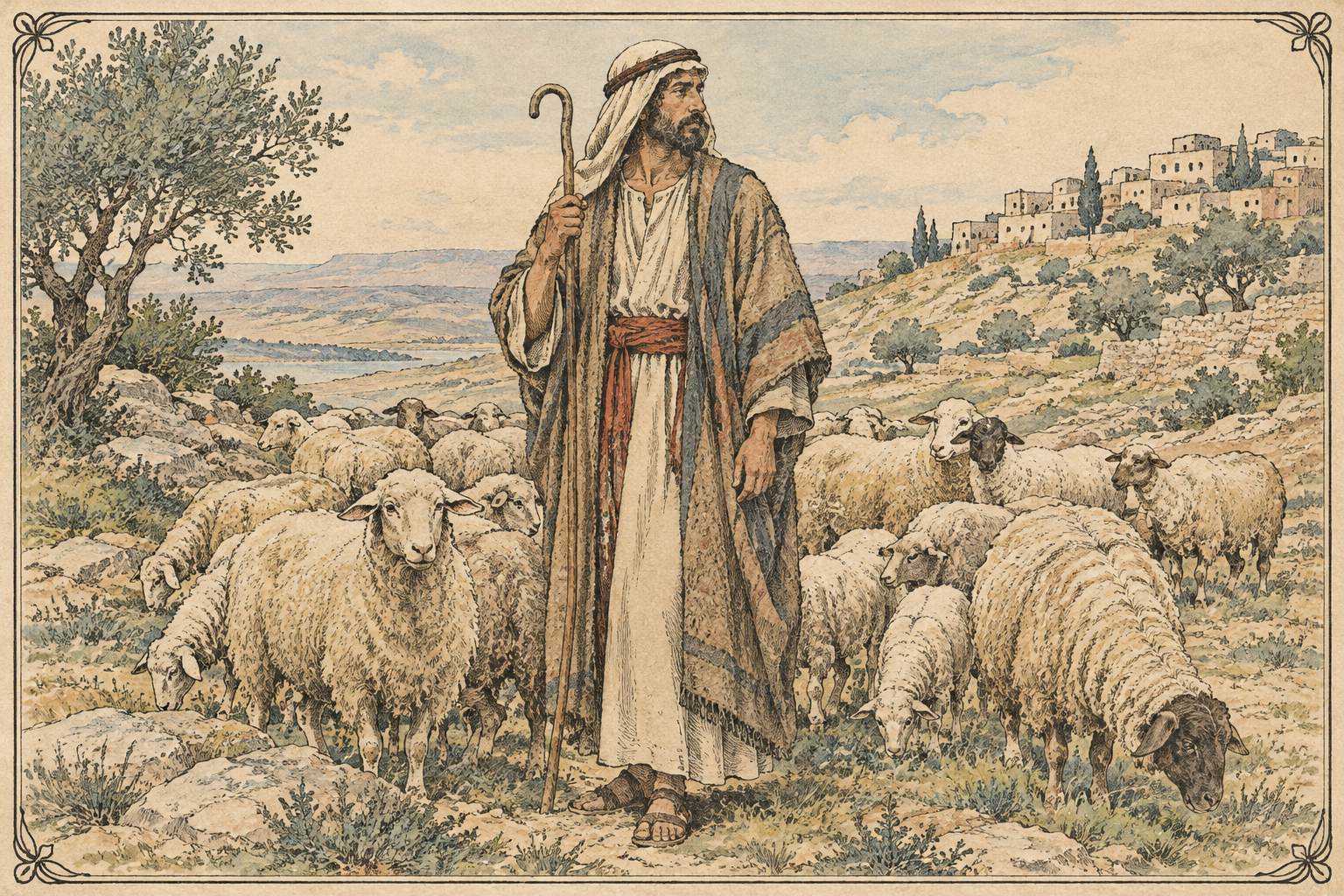
Here is where the warning sharpens into something closer to a specific danger. Jesus and Paul both describe it using the same image, and the image is deliberately unsettling.
Matthew 7:15 and the Warning Hidden in Plain Sight
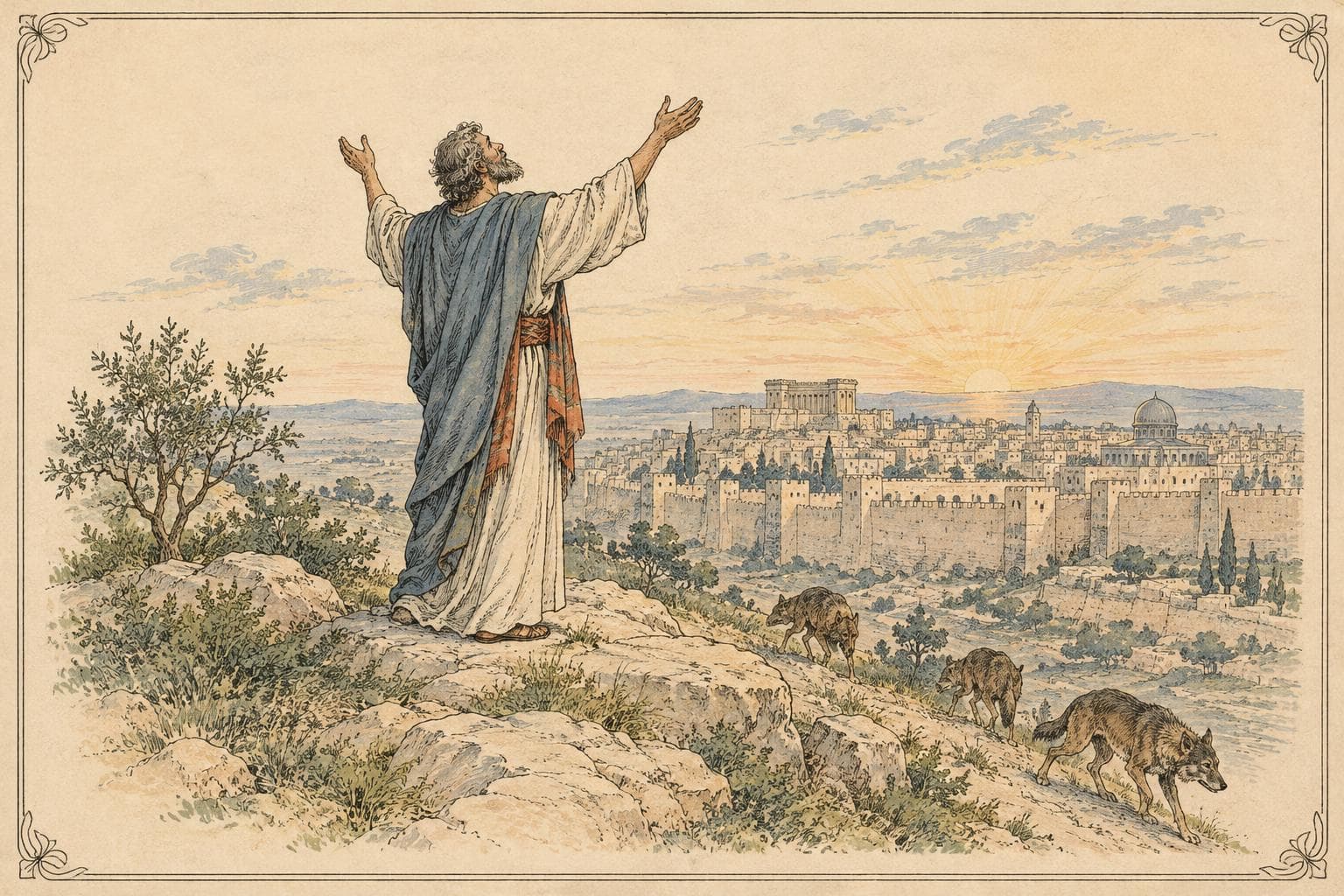
"Beware of false prophets, who come to you in sheep's clothing but inwardly are ravenous wolves." This warning does not sit in isolation. It is placed by Matthew directly between the command to seek, ask, and knock in verse 7, and the warning in verse 21 that "not everyone who says to me, 'Lord, Lord,' will enter the kingdom of heaven." That placement is not accidental.
The sequence tells a story. First, seek honestly. Then, watch carefully, because what you find along the way could be dressed convincingly as the exact thing you are looking for. Finally, recognize that saying the right words is no guarantee of belonging to the kingdom at all.
Acts 20:29 and Wolves Rising from Within
Paul gives the Ephesian elders a warning that should unsettle anyone tempted to think this danger only comes from outsiders. "I know that after my departure fierce wolves will come in among you, not sparing the flock; and from among your own selves will arise men speaking twisted things, to draw away the disciples after them." The threat Paul describes does not knock at the door from outside. It already has a seat at the table, already wears the robe, already holds the title.
This is the detail that should stop every reader, regardless of tradition, from assuming the warning applies to someone else's church, someone else's rabbi, someone else's imam. The wolves Paul describes were elders. Trusted men. People the Ephesian believers had already extended their confidence to.
Fruit, Not Appearance, as the Only Reliable Test
If appearance cannot be trusted, and titles cannot be trusted, what remains? Jesus answers this earlier in the same Matthew 7 passage: "You will recognize them by their fruits." Not by their eloquence, their certainty, their following, or their claimed credentials, but by the long-term, observable result of their life and the lives of those who follow them. Does the teaching produce humility or dependency, generosity or control? Fruit takes time to ripen, which means discernment takes patience. There is no shortcut here, and anyone offering one should be the first thing you question.
A Danger With No Tribal Boundaries
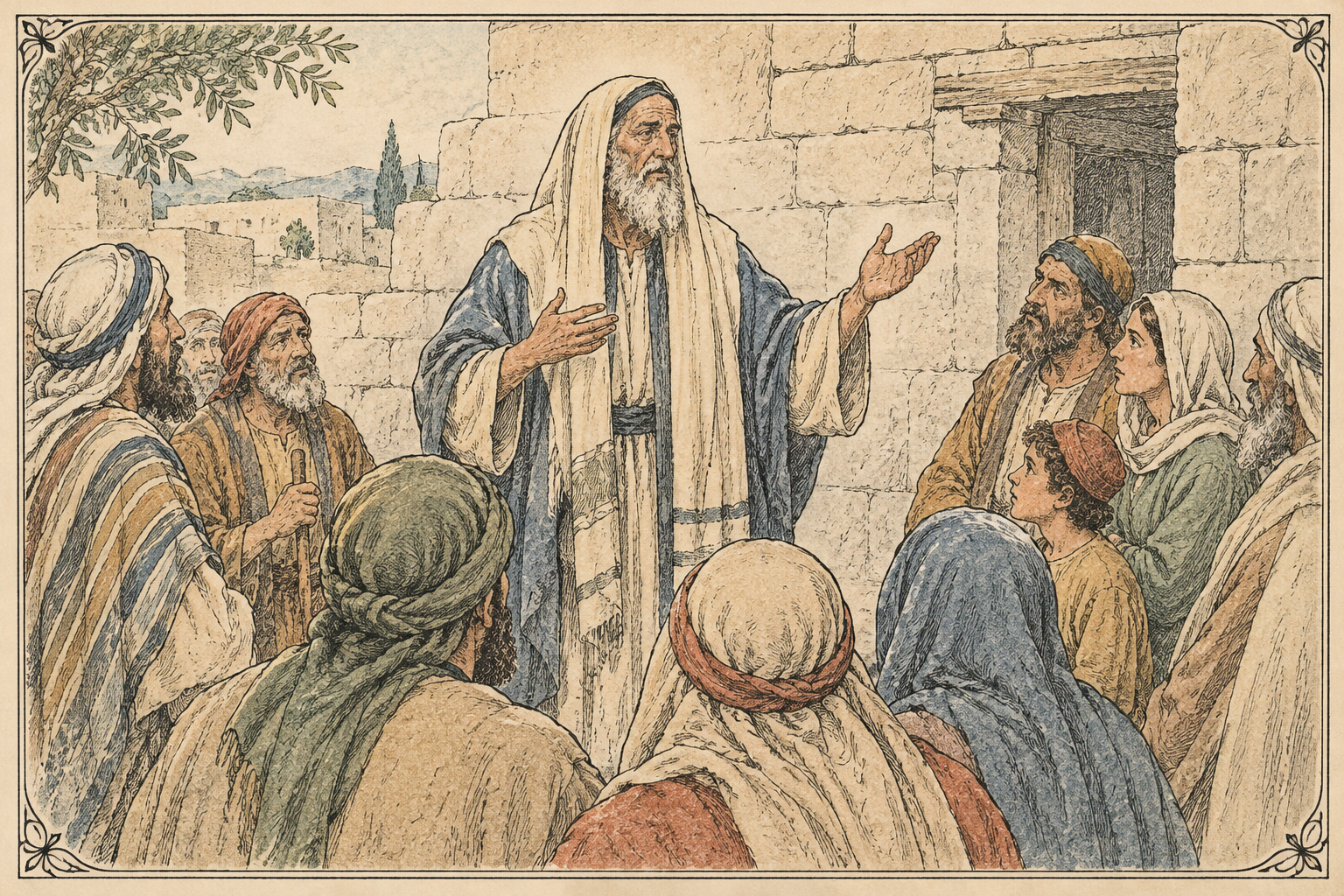
None of this is an argument against religious authority as such, nor is it an invitation to suspect every leader of bad faith. Most shepherds are exactly what they appear to be. But the warning itself is structural, and structural warnings do not respect the boundaries we draw around our own comfort.
Preachers, Priests, Rabbis, and Imams Alike
The pattern Jesus and Paul describe can appear anywhere spiritual authority exists. It has appeared among Christian preachers who built empires on the backs of congregants too afraid to question them. It has appeared among priests who used sacred office to shield predation. It has appeared among rabbis and imams who leveraged communal trust for financial or personal gain. No single tradition owns this danger, and no single tradition is immune to it. The honest reader has to resist the temptation to hear this warning as an indictment of someone else's faith while assuming their own circle is safe by default.
What the Wolf Wants
The wolf rarely announces itself plainly. It wants access, gradually expanded. It wants money, framed as sacrifice or seed or tithe beyond what honest stewardship requires. It wants time, enough to crowd out family and independent thought. It wants loyalty that outranks conscience. And in its most complete form, it wants the soul itself, convinced that submission to the wolf is indistinguishable from submission to God. The tragedy is that most who fall prey to this did not set out looking for a con. They set out looking for the kingdom, running like the rich young ruler, desperate like the Pentecost crowd, and found instead someone willing to answer their question for a price they could not see coming.
The Answer the Apostles Gave
Return now to Pentecost, where the question finally receives an answer worth examining closely.
Acts 2:38: A Costly and Specific Command
Peter does not offer the crowd a vague sentiment or an invitation to feel better. He gives them something concrete: "Repent and be baptized every one of you in the name of Jesus Christ for the forgiveness of your sins, and you will receive the gift of the Holy Spirit." This is an answer with teeth. It asks for a change of direction, a public identification with the crucified and risen Messiah, and a complete reordering of allegiance. It is costly precisely because it is real. Three thousand people responded that day, and Luke tells us they were added to a community that shared meals, possessions, and devotion to the apostles' teaching. The answer was never going to be free, and it was never meant to be.
Why Jesus Gave the Rich Young Ruler a Harder Answer
Compare this to the rich young ruler, who received a harder word still: "Go, sell what you possess and give to the poor, and you will have treasure in heaven; and come, follow me." The underlying question was the same. The answer was entirely different, because Jesus was not running a script. He was diagnosing a heart.
The rich young ruler's obstacle was not ignorance of the law, which he claimed to have kept since his youth. His obstacle was possession, the quiet, comfortable idol of a life built on accumulated security. Jesus named it precisely, and the young man walked away sorrowful, unwilling to pay the price his own question had demanded. The Pentecost crowd, by contrast, was already broken open, already cut to the heart, already past the point of self-justification. Peter could give them a direct command because they were ready to receive it. The right answer has always depended on the actual condition of the heart asking the question, not on a formula applied uniformly to every seeker who happens to use similar words.
The Way, the Truth, and the Life as the Final Destination
Every honest search eventually arrives somewhere, and the biblical writers insist it arrives at a person rather than a system.
John 14:6 and the Refusal of a Formula
When the disciples press Jesus for directions, wanting a map, a method, a set of instructions they can follow independently, he refuses to give them one. "I am the way, and the truth, and the life. No one comes to the Father except through me." This is not Jesus declining to answer the question. It is Jesus reframing the entire question. The kingdom is not entered through a technique perfected or a ritual performed correctly. It is entered through a relationship with the one who is himself the way there. This is why the search cannot end with a rulebook, however sincerely followed, and why every false shepherd who offers a technique in place of a person has already misdirected the seeker. Jesus stood among people asking exactly this question, and he answered by pointing at himself.
What Careless Trust Costs
Losing money to a swindler is a real loss, and a painful one. But it is a recoverable category of loss. A person defrauded of savings can rebuild, slowly, over years. What a false shepherd takes is different in kind, not merely in degree. Years spent under manipulation do not return. Family relationships fractured by manipulative religious control are not easily mended. And a soul persuaded to trust a counterfeit has lost something no later discovery can simply restore without real cost. This is the gravity behind every warning this piece has traced, from Matthew 7 to Acts 20. The danger is not hypothetical, and the caution urged here is not paranoia. It is proportionate to what is at stake.
The tavern philosopher was right to wave off Hamlet. The question of how to enter the kingdom of heaven is not one question among many competing for a person's attention. It is the question beneath all the others, asked by the rich and the trained and the ordinary alike, and it deserves a seeking heart willing to run toward it and a testing mind willing to examine what it finds along the way. The answer, when it finally arrives, will not be a technique. It will be a person, patient enough to meet every honest seeker exactly where their heart stands.